Find out why enquiries, sales or revenue have stalled, then choose the fix worth your time.
You’re a better coach than you were five years ago. More experience, stronger results, a decent collection of glowing testimonials. Yet enquiries arrive less often, discovery calls take more convincing, and the LinkedIn posts you spent Sunday writing attract a handful of comments from other coaches. Somehow, you’re working harder to keep the business at roughly the same size.
A slow month on LinkedIn doesn’t explain everything. Prospects have more alternatives, they research coaches differently, and the value they expect extends beyond scheduled calls. Before you buy another marketing course or pay for another website redesign, work out exactly what’s stopping yours from growing. Then fix that.
The conditions for selling coaching have changed. Three shifts explain why approaches that worked beautifully a few years ago can now produce disappointing results.
Your prospective clients have a ridiculous amount of choice. Alongside thousands of other coaches, they’re being offered online courses, influencer-led programmes, memberships, digital products and AI tools that promise to help solve their problems. Some are excellent. Some are questionable. Others are free, which is a rather persuasive price.
You might have spent 15 years refining a methodology that genuinely gets results, but a prospect still has to decide whether your $3,000 coaching programme is worth the investment when a $30 course promises to help with the same problem. The alternatives don’t have to match the quality of your coaching to influence that decision. They only have to look convincing enough to attract the buyer’s attention and money.
Getting a referral used to feel like being halfway to a sale. Now someone can leave that conversation with your name and spend the next hour examining your social media presence, reading reviews, visiting your website and comparing you with three other coaches. They’re forming an opinion before you even know they exist.
And that research doesn’t always reward the best coach. A polished online presence, a substantial following and an offer that makes sense at a glance all influence how buyers judge someone they haven’t worked with. You could have ten years of excellent client outcomes and still be overlooked in favour of someone whose services are easier to understand. Annoying? Yes. Commercially relevant? Also yes.
Buyers are looking more closely at what their money gets them. A monthly coaching call may have been enough when they first started working with a coach. Now they might want to know what happens when they get stuck between sessions, how much of the programme is tailored to them and how they’ll recognise progress. A bunch of Zoom invitations makes a fairly uninspiring brochure.
Nobody wants to become a 24-hour helpdesk. But clients who get stuck on Wednesday and can’t speak to you until the following Tuesday have other places to get advice. They’re already used to instant access to information and personalised guidance through technology. If that outside advice pulls them away from your approach, their confidence in the coaching process suffers. And when clients question the value they’re receiving, renewals and referrals drop.
All of this raises the real question: what’s actually stopping your coaching business from growing?

The coaching market has changed, but that doesn’t mean every coach has the same problem. Here are seven reasons your growth might have stalled, and how to work out which ones apply to you.
Referrals used to arrive without much effort. Now your professional contacts are making fewer introductions, former clients have moved on, and prospects are comparing coaches before getting in touch. A delighted client can only recommend you to so many people. Eventually, your existing network stops bringing in enough new business.
Pull together your last 20 enquiries and compare their sources with previous years. Have introductions fallen, or are people still recommending you without those recommendations turning into enquiries? The distinction tells you whether your network is producing fewer opportunities or prospects are losing interest after hearing about you.
Then there’s the marketing you control. You’re publishing LinkedIn posts, sending newsletters and experimenting with AI content, yet fewer qualified prospects are getting in touch. Your content may still attract attention, but it’s reaching the wrong people or failing to give buyers a reason to act. All those hours creating posts deserve a better return.
Review your marketing over the last three months. Which activities generated qualified enquiries, and how does that compare with previous periods? Look at who’s engaging, clicking through and booking calls.
Someone looking to improve their leadership skills can hire a coach, buy a course, join a community or ask ChatGPT. Some of these resources make bigger promises and deliver very little. But they’re all competing for the same budget. A good alternative can remove the need for coaching altogether. A disappointing one can put someone off paying for help again.
Ask lost prospects what they chose instead. Did they hire another coach, buy a cheaper programme, try solving the problem themselves or postpone the decision? Speak to recent clients about what else they considered. Their answers reveal which alternatives are taking business away from you and where buyers still recognise the value of personal coaching.
Your website lists your qualifications, experience and signature methodology. Impressive. But if prospects can’t see exactly who you help, what results you deliver and why you’re worth choosing, those credentials aren’t doing much selling. Someone comparing three coaches shouldn’t need a 45-minute conversation to understand what makes yours the right offer.
Ask three people who match your ideal clients to review your website and describe what you do. If their answers are vague or inconsistent, your positioning needs work. Our guide to coaching positioning covers seven signs that your message is costing you clients.
A clear offer gets someone’s attention. But a polished headshot, a paragraph about your coaching philosophy and a few inspirational posts don’t reveal much about your ability. Prospects want to see how you think, what you’ve achieved and what working with you involves. Without that evidence, you’re asking them to take an expensive leap of faith.
Review your online presence as someone who’s never met you. Can they find useful examples of your approach, detailed client results and answers to common questions? Think about your last five discovery calls, too. If you’re spending half the conversation establishing credibility, your content isn’t doing enough beforehand. Our guide to coaching discovery calls covers how to improve the conversations themselves.
You might still be selling the same six-month package you offered five years ago. Same monthly calls, same format, same promise. Meanwhile, buyers want clearer outcomes, flexible packages and support when they get stuck between sessions. Six Zoom calls and a worksheet can be a tough sell at a premium price.
Review the objections you’ve heard from prospective clients and the feedback from existing ones. Are people requesting different options, questioning what’s included or asking for more support? Are clients struggling to implement your advice between sessions? Repeated feedback reveals where your offer needs attention.
Perhaps you’re experiencing the opposite problem. Enquiries are healthy, clients are signing up, and your calendar is packed. Excellent. Except your revenue hasn’t moved in two years, and squeezing in more coaching sessions isn’t what you want. You’ve reached the limit of what your current business model can earn.
Compare your available coaching hours with the appointments you’re delivering and the qualified enquiries you’re turning away. If demand is strong and you’ve reached a sensible limit on your time and pricing, more marketing will only create a longer waiting list.
Once you know what’s holding your business back, you can stop guessing and focus on fixing it…

Look back at the seven causes and identify which have changed in your business or now limit your growth. You already know where enquiries have fallen, which objections keep appearing and whether you’ve run out of room for more clients. Use that knowledge alongside the evidence you’ve gathered to decide where an improvement would make the biggest difference.
The biggest problem isn’t always the best one to tackle first. Some changes in buyer behaviour are harder to reverse, while other improvements are more within your control. Consider the likely impact, the work involved and how quickly you can make progress. Choose one priority. The following steps give you practical ways to address the most common problems.
Choose the platform where your ideal clients spend their time, even if it’s different from the one that brought you success five years ago. Learn how that platform works, study what’s performing in your niche and experiment with content pillars that address your clients’ problems. Reconnect with referral partners, too. Make sure they understand who you help and can explain the results you’re achieving.
Cut back on marketing activities that consume hours without producing useful opportunities. Focus on becoming genuinely good at one platform before spreading your attention elsewhere. Create content that speaks to the problems your ideal clients are actively trying to solve. The internet will survive without another inspirational carousel.
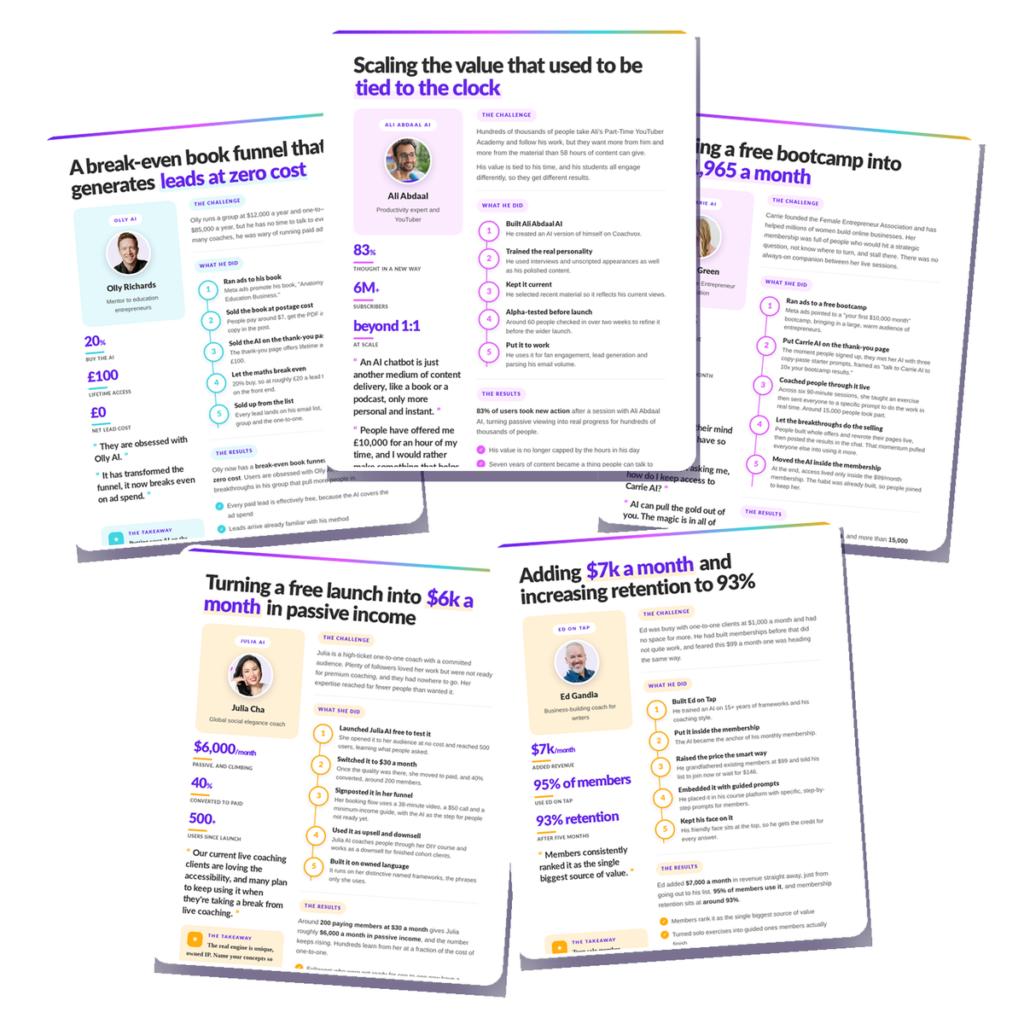
Make your expertise easier to assess. Turn your best client results into case studies and publish examples of how you approach common challenges. Create a lead magnet that gives prospects something useful to experience, such as a practical guide, an assessment or the AI version of you. You’ll also build an email list of people interested in your work.
Put these resources where prospects will find them, then use your emails to share useful insights, answer common objections and demonstrate your expertise. If your positioning needs work, improve that too. Make it easy for interested prospects to book a call, ideally with enough confidence in your abilities that you won’t have to spend the first 30 minutes convincing them you’re qualified.
Use the feedback you’ve collected to make targeted changes. If clients want a clearer outcome, restructure your programme around specific goals and deliverables. If a six-month commitment is putting buyers off, test a shorter, focused package. It doesn’t need to be cheaper. Give each offer a clear purpose and price.
Where clients need more help between sessions, add a defined support option. That might include structured check-ins, resources or your Coachvox. Set boundaries and account for the delivery cost. Giving everyone unlimited access to your time is a rather expensive way to improve customer service. Our guide to AI client support for coaches explores this further.
If your calendar is full, give people another way to pay for your expertise. Group programmes work when clients share similar goals. Courses and digital products package the parts of your methodology you teach repeatedly. Memberships provide ongoing value, while AI coaching experiences let people access your methods without booking your time.
Start with the demand you already have. What do clients repeatedly ask for? What could you offer prospects who can’t afford your one-to-one rates? Test a paid version with a small group before building anything substantial. Check what people will pay and how much of your time delivery requires. If your new membership needs you online every evening, congratulations, you’ve created yourself another job. Our guide to digital products for coaches explores the different options.
Track the result you set out to improve. If marketing was the problem, measure qualified enquiries. If you changed your offer, look at conversion rates and revenue per client. If you’ve launched a scalable product, measure what it earns against the time and money required to deliver it. Choose the numbers that tell you whether your decision is paying off.
Compare those results with where you started, allowing enough time for prospects to make buying decisions. If the numbers improve, keep going. If they don’t, examine what you’ve changed and adjust your approach. Resist the temptation to abandon the plan after two disappointing weeks and start experimenting with something else. That’s how you end up back where you started, only with more software subscriptions.
Knowing what needs fixing is a good start. Coachvox Academy helps established coaches sharpen their positioning, attract the right clients and build digital assets that make their expertise easier to experience and buy.
Get practical training, Coachvox software and ongoing support to make better decisions about your marketing, offers and what to build next. Find out more here:
You’ve already done the hard work of becoming a great coach. Now give your business the same attention. Identify what’s holding back growth, choose the improvement with the greatest potential and measure what changes.
If an activity keeps demanding more effort for less return, stop rewarding it with more of your time.
Great client results give you a reason to be confident in your coaching. Growth still depends on enough suitable people finding you, understanding your offer and deciding to buy. Check where enquiries, conversion or repeat business have changed before putting more hours into marketing.
Getting fewer new clients usually comes down to fewer qualified enquiries or a smaller proportion of those enquiries becoming paying clients. Compare each stage with the periods when business was stronger. A drop in referrals calls for a different response from a drop in sales conversion.
A coaching business growth plateau is a sustained period when revenue or client numbers stop increasing despite continued activity. Compare several months with the same period in earlier years, allowing for seasonality. Check whether demand has slowed, clients are spending less or your calendar has reached capacity.
Content can attract plenty of attention from people who will never buy coaching. Check whether your intended clients are seeing it, whether your content pillars address problems they'll pay to solve and whether there's a clear next step. A relevant lead magnet can turn interest into an email relationship; Coachvox is one way to offer an interactive first experience of your expertise.
Clients are less inclined to renew when they cannot see progress, no longer need the original service or do not know what the next stage offers. Ask departing clients what they achieved, what was missing and what they need now. Rework the experience or follow-on offer where the same answers keep appearing.
Falling conversion can reflect poor-fit enquiries, too little trust before the call, an unsuitable offer or genuine budget pressure. Review the objections raised on recent calls and what prospects decided afterwards. If you spend half the meeting explaining your credentials, give people better evidence of your work before they book.
Don't cut prices until you know why suitable prospects are declining. If their budgets have changed, a shorter or lower-touch option may fit. If they don't understand the outcome or the value of your offer, a discount leaves that problem in place. Reducing your fee without evidence is an expensive guess.
They give buyers more ways to solve the problems they would once have taken to a coach. An effective alternative can replace the need for coaching; a poor experience can put buyers off paying for help again. Ask lost prospects what they chose and what appealed to them before deciding how your offer should change.
Choose the constraint that offers the greatest realistic improvement, considering the likely commercial benefit, the work involved and how much control you have. The issue that's deteriorated most isn't always the easiest to repair. Pick one priority, define the result you're trying to change and assess what happens.
A full calendar limits revenue from one-to-one sessions. Test a format that helps more people without requiring another private appointment: a group programme, membership, digital product or AI coaching experience. Check the price, demand and delivery workload before committing. Our guide to digital products for coaches explores the available models.
Coachvox Academy helps established coaches clarify who they serve, strengthen their message, create content and build digital assets that let prospects experience their expertise. The training and member support help you decide what to focus on, then put the work into practice.
Yes. Coachvox lets you create an AI version trained on your knowledge and coaching approach. Prospects can explore your methods, ask questions and share contact details before booking a call. It gives interested people another way to assess your expertise, provided your offer already speaks to a problem they want solved.